What Does a Nuclear Energy PR Agency Do? Fusion and Fission
By Kyle Porter, Executive Vice President & Managing Director.
Updated November 6, 2026
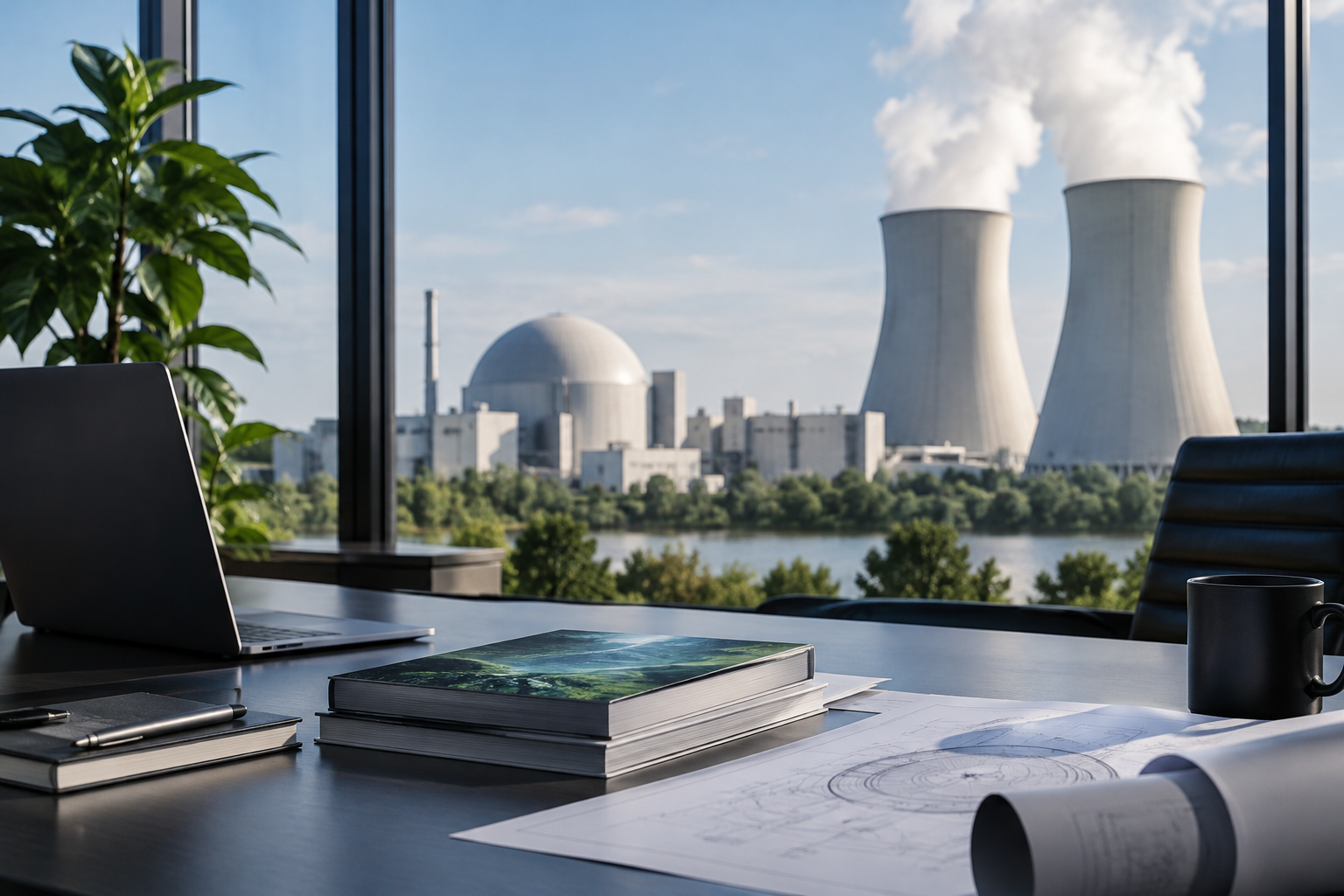
A nuclear energy PR agency helps reactor developers, fusion companies and fuel suppliers explain licensing, safety and funding news to regulators, investors and reporters. The work depends on regulatory milestones: the Nuclear Regulatory Commission proposed a fusion-specific framework on February 26, 2026, and the Nuclear Energy Innovation and Modernization Act requires a technology-inclusive framework for advanced reactors by December 31, 2027.
Last updated: November 6, 2026. Virgo PR publishes this guide for general information. Regulatory status changes, so confirm current rules with the Nuclear Regulatory Commission and counsel.
What makes nuclear PR different from other energy PR?
Nuclear PR differs from other energy PR because a regulator's calendar sets the news and one inaccurate claim about licensing or safety can cost a company credibility with the regulator itself. A solar or battery company can announce a customer contract and move on. A nuclear company's announcements often depend on whether a licensing step is complete, and journalists and analysts can read the regulator's public record.
That record makes accuracy the main discipline. Every sentence about status should be traceable to a filing, a rule or a regulator's letter.
Which regulatory milestones create nuclear news?
Four milestones set the current U.S. calendar for advanced nuclear and fusion news. The table lists each one with its source.
MilestoneDateWhat it means for messagingSource
ADVANCE Act signedJuly 9, 2024Congress clarified that fusion-produced radioactive material is byproduct materialNRC and Agreement States presentation NRC proposed fusion rule publishedFebruary 26, 2026Would add fusion machines to the byproduct material framework in 10 CFR Part 30Federal Register, Vol. 91, No. 38 NRC final fusion rule targetOctober 2026The agency's regulatory agenda targeted this date, according to Foley HoagFoley Hoag, March 2026 NEIMA deadlineDecember 31, 2027The NRC must establish a technology-inclusive framework for advanced reactors, a term that includes fusionNRC presentation
The Federal Register notice is available in the NRC fusion proposed rule text. The October 2026 target comes from a March 2026 law firm summary, so check the NRC's rulemaking page for the current status before putting any date in a release.
How should a fusion company describe its regulatory status?
A fusion company should describe its regulatory status as a byproduct material licensing path, not as a reactor license. Pillsbury's summary of the NRC fusion proposal says fusion developers would apply for a specific license under 10 CFR Part 30, and applicants would also submit an environmental report under Part 51 unless a categorical exclusion applies. Calling a fusion machine an NRC-licensed reactor would misstate that path.
States are moving as well. The National Law Review reported that Tennessee established the first state fusion regulatory framework, only months after the NRC published its proposal. A company operating in Tennessee should name the state framework separately from the federal one.
How should deal and funding announcements be framed?
Deal and funding announcements should separate completed steps from planned ones, and each completed step should name its counterparty and its source. Virgo PR has reviewed how companies announced nuclear power deals for data centers and how four companies announced fusion energy funding, and both pages show real announcements side by side.
Statement typeSafe wordingWording to avoid
Licensing"Filed" or "received," with the date and the filing name"Approved" before the regulator has acted FundingThe amount, the lead investor and the closing date as announcedValuation claims without a named source ScheduleA target, labeled as a target, with the dependency namedA commissioning date that depends on a pending approval
Who needs to hear from a nuclear company?
A nuclear company needs to reach five audiences, and each one reads a different channel. Regulators read filings and public meeting records, utilities and large power buyers read trade titles and direct briefings, and investors read funding releases and analyst notes.
-
Regulators and state agencies, through accurate filings and public meetings.
-
Utilities and power buyers, through technical briefings and trade titles such as Nuclear Engineering International.
-
Investors, through funding releases that separate completed steps from plans.
-
Local communities, through plain-language safety and site information.
-
Reporters, through a named technical spokesperson who can answer licensing questions.
What should a nuclear PR program do in the first 90 days?
A first-90-day nuclear PR program builds a verified fact file before it pitches anyone. This sequence is an editorial suggestion.
-
Days 1 to 30: list every licensing, funding and partnership claim the company makes, and attach the filing or letter that supports each one.
-
Days 31 to 60: write one plain-language explanation of the technology and its regulatory path, reviewed by the company's regulatory counsel.
-
Days 61 to 90: brief two or three trade reporters on a completed milestone, and prepare a response plan for a delayed or denied approval.
Companies planning this work can review Virgo PR's energy infrastructure PR guide, and the study of what gets deep-tech funding announcements covered shows how eleven announcements earned attention. The first fact file should exist before the first press release.
Frequently asked questions
What does a nuclear energy PR agency do?
A nuclear energy PR agency plans and writes communications for reactor, fusion and fuel companies, including licensing announcements, funding news, media briefings and crisis response. It works with the company's regulatory counsel so every status claim matches the record.
Is fusion regulated like fission in the United States?
No. The NRC's February 2026 proposal would regulate fusion machines under the byproduct material framework in 10 CFR Part 30, not under the reactor licensing parts used for fission facilities, according to Pillsbury's summary.
Has the NRC finalized the fusion rule?
The sources reviewed show a proposed rule published on February 26, 2026 and an agency target of October 2026 for the final rule. Confirm the current status with the NRC before citing it.
How should a company talk about licensing timelines?
A company should state a licensing timeline as a target, name the approval it depends on, and update the statement when the regulator acts.
Sources and review notes
Facts come from the Federal Register (Vol. 91, No. 38, February 26, 2026), NRC and Agreement States presentations on the ADVANCE Act and NEIMA, and law firm summaries from Pillsbury, Foley Hoag and the National Law Review. Rule status after November 6, 2026 was not reviewed.
Follow us
LinkedIn