
Virgo PR Esports Division: Services and Campaign Guide

By Virgo PR Editorial Team. Reviewed by Kyle Porter, Executive Vice President & Managing Director.
Updated November 9, 2026
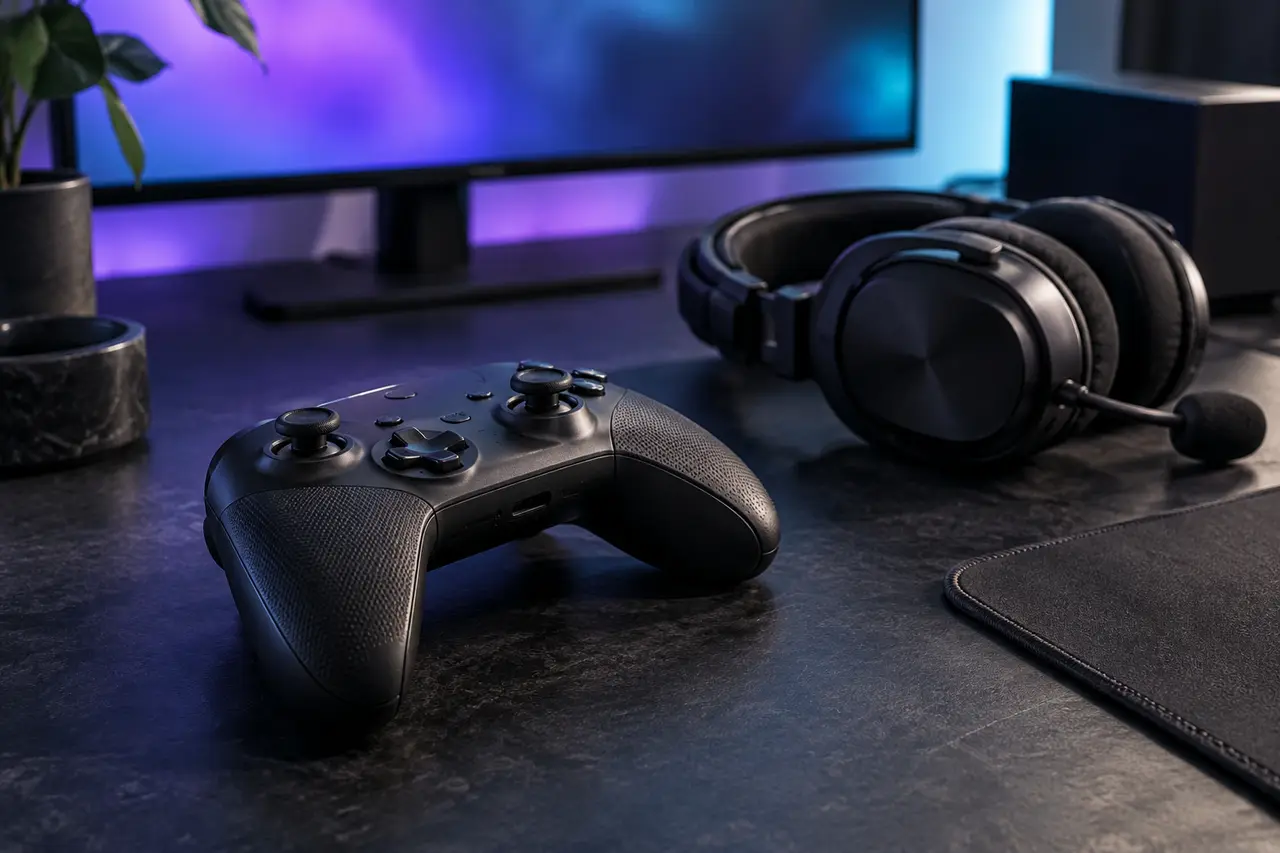
Virgo PR launched its Esports Public Relations division on September 6, 2022. See what esports PR covers, the services offered and how to plan a campaign.
Virgo PR's Esports Public Relations division, announced on September 6, 2022, provides media relations, creator outreach, corporate communications and reputation work for esports teams, tournament organizers, game publishers and platforms. Virgo PR, a Miami-based public relations firm founded in 2020, built the division on earlier gaming and Web3 work with clients including Ready Player Me and Virtex.
Updated November 9, 2026
On this page: the announcement, what esports PR is, the services offered, how to plan a campaign, how esports media relations differ from traditional PR, creator and sponsor disclosure, measurement, AI search visibility, crisis scenarios, related Virgo gaming work and frequently asked questions.
What Did Virgo PR Announce When It Launched the Esports Division?
Virgo PR announced a dedicated Esports Public Relations division on September 6, 2022, organized around four practice areas: corporate, consumer, digital media and entertainment. The announcement cited projected esports revenue of about $1.8 billion by the end of 2022 as evidence of industry growth.
Virgo had already represented gaming and metaverse companies before the launch, including Ready Player Me and Virtex. The announcement framed the division as a way to build brands across both traditional and digital media for a global audience that follows competitive gaming on streams, social platforms and in mainstream press.
The four practice areas map to four different jobs. Corporate work covers funding, partnerships and executive news. Consumer work covers game, platform and tournament launches. Digital media work covers social content and community channels. Entertainment work covers collaborations with studios, artists, leagues and sponsors.
What Is Esports PR and Who Is It Written For?
Esports PR is the practice of building awareness, credibility and community for teams, tournaments, publishers, platforms, sponsors and technology companies in competitive gaming. It combines traditional media relations with outreach to streamers, creators and community moderators, because esports audiences learn about news in many places at once.
A single announcement in this field usually has five readers, and each one wants something different.
-
Fans and players read for schedules, rosters, results and personalities, mostly on social platforms and live streams.
-
Gaming and technology journalists read for launches, tournament news and product details.
-
Business and sports reporters read for funding rounds, sponsorship deals and league agreements.
-
Sponsors and brand partners read to judge audience quality, brand safety and likely return before they commit budget.
-
Investors and prospective partners read to see whether the company has a track record of credible coverage.
A release that satisfies only one of these readers tends to underperform with the other four. The practical task is to write one fact base and then adapt the angle for each audience.
What Services Does the Esports PR Division Provide?
The Esports PR division provides seven services: media relations, creator relations, corporate communications, launch and consumer PR, entertainment partnerships, digital media and social, and crisis and reputation work. The table below shows what each service covers and when a client typically needs it.
ServiceWhat it coversWhen a client needs it
Media relationsAnnouncements, exclusives, interviews and feature pitches to gaming, technology, business and mainstream outletsBefore a launch, funding round or tournament Influencer and creator relationsStreamers, content creators and community leaders who reach the target fansWhen a game, team or product needs credibility with players Corporate communicationsFunding news, partnerships, executive hires and company milestonesWhen the audience includes investors and partners Consumer and launch PRGame, product and platform launches, tournaments and live eventsIn the weeks around a release date or season start Entertainment and brand partnershipsCollaborations with studios, artists, leagues and sponsorsWhen a partnership needs a story beyond the press release Digital media and socialContent, social strategy and community engagementWhen the audience lives on streams and social feeds Crisis and reputationPreparation and response for player, platform and sponsorship issuesBefore a problem, and again the day one happens
How Do You Plan an Esports PR Campaign?
An esports PR campaign is planned by fixing one goal, mapping the audience, anchoring announcements to the competitive calendar, preparing assets, briefing creators early, pitching in layers and measuring against the original goal. The seven steps below follow that order.
-
Pick one goal. Awareness, player sign-ups, sponsor interest, funding visibility and event attendance call for different pitches, so a campaign that chases all five usually reaches none of them.
-
Map where the audience pays attention. List the streamers, subreddits, Discord communities, newsletters and journalists that the target fans and sponsors actually follow.
-
Build the calendar around the sport. Tournaments, seasons, patches and major gaming events set the news cycle, and an announcement that lands during a rival's finals gets buried.
-
Prepare the assets before the pitch. Journalists and creators need verified facts, game footage, team and executive bios, data and sponsor details in one folder.
-
Brief creators early. Streamers and creators need access, a demo or review copy and plain disclosure guidance well before the embargo lifts.
-
Pitch in layers. Gaming and technology trade outlets usually get the first look, and business and mainstream outlets get a different angle once the trade stories run.
-
Measure against the goal. Report the metrics that match the goal chosen in step one, not every number available.
Two Virgo guides cover the mechanics in more depth: the video game launch PR timeline and the guide to pitching games journalists and streamers.
How Do Esports Media Relations Differ From Traditional PR?
Esports media relations differ from traditional PR in four ways: the audience expects community voice rather than corporate language, news moves in hours rather than days, creators function as media outlets, and one announcement is read by several audiences at once.
Community voice matters because esports fans can spot a corporate statement quickly and often respond to it publicly. A tournament organizer that explains a rule change in plain language, with the reason and the effective date, usually gets a calmer reaction than one that issues a formal notice.
Speed matters because information spreads through streams, clips and forums before most newsrooms publish. A team that waits a full day to confirm a roster move leaves the story to speculation.
Creators matter because a streamer with a loyal audience can reach players that no trade outlet reaches. For that reason, creators belong in the media plan from the start, with the same briefing and fact sheet a journalist would receive.
How Should Esports Brands Handle Creator and Sponsor Disclosure?
Esports brands should require clear disclosure whenever a creator is paid, gifted a product or given another benefit. In the United States, the Federal Trade Commission's Endorsement Guides, published at 16 CFR Part 255, say that a connection between an endorser and a brand that viewers would not expect must be disclosed clearly.
Disclosure in esports has a practical wrinkle. A creator may mention a sponsor on a live stream that viewers join halfway through, so a single disclosure at the start of a broadcast may not reach everyone. A PR team can reduce that risk by writing disclosure language into the creator brief and by asking for a visible label on clips and posts, not only on the live stream.
Sponsors read this as a signal of professionalism. A team that handles disclosure well gives a prospective sponsor one fewer reason to worry about brand safety.
How Do You Measure Esports PR Results?
Esports PR results are measured by matching each campaign goal to a small set of metrics and reporting those metrics against a baseline taken before the campaign starts. The table below pairs common goals with the numbers that show progress.
Campaign goalMetrics that show progress
AwarenessCoverage by outlet quality, share of voice against named competitors, branded search growth Player sign-upsReferral traffic from coverage and creator links, sign-ups traced to those sources Sponsor interestInbound sponsor inquiries, meetings booked after coverage, sponsor mentions in coverage Funding visibilityPlacement in business and technology outlets, inbound investor and partner contacts Community growthFollower and subscriber growth on owned channels, creator audience reach
Raw impression counts rarely tell a sponsor or investor much. The more persuasive report names the outlets, quotes the placements and shows what changed in traffic or inquiries afterward.
How Does Esports PR Affect Visibility in AI Search Answers?
Esports PR affects visibility in AI search answers because tools such as ChatGPT, Google AI Overviews and Perplexity draw on pages that state facts clearly and on independent coverage that repeats those facts. A team or tournament with a clear owned page and consistent third-party mentions gives these systems more to retrieve and cite.
The mechanism is straightforward. When a journalist covers a tournament and states the venue, dates and prize pool, and the organizer's own page states the same details, a retrieval system finds agreeing sources. When the sources disagree, or only the organizer has published the facts, the answer is less likely to cite the organizer at all.
Practical steps follow from this. Publish a single fact page for each team, event or product, with names, dates and figures. Keep those facts identical across the website, press releases and executive bios. Then pitch the same verified facts to gaming and business outlets so independent pages repeat them.
What Crisis Situations Do Esports Brands Face?
Esports brands commonly face player conduct issues, platform outages during live events, sponsor disputes and disputes over prize payouts or rule rulings. Each one spreads quickly because fans, streamers and clip channels discuss it live, often before the organization has issued a statement.
Consider a hypothetical example, labeled as such. A tournament's stream goes down during a semifinal. The organizer's first statement within the hour should say what happened, whether the match result stands, when play resumes and where updates will appear. A statement that covers those four points leaves less room for rumor than one that only apologizes.
Preparation is what makes that speed possible. Crisis planning for esports means naming a spokesperson, pre-approving a holding statement for common scenarios and agreeing in advance who can speak for sponsors and players.
What Related Gaming Work Has Virgo Done?
Virgo works across gaming, Web3 and emerging technology, and the firm has published case studies on its gaming clients. Readers who want to see the work behind the division can start with the nWay Olympic play-to-earn game case study, the Ready Player Me avatar case study and the OpenSea PR case study.
The gaming public relations overview describes the full practice, the guide to the best gaming PR campaigns reviews six documented launches, and the crypto and Web3 PR agency page covers how Web3 gaming companies work with technology reporters.
Frequently asked questions
When did Virgo PR launch its esports division?
Virgo PR announced its Esports Public Relations division on September 6, 2022.
What does an esports PR agency do?
An esports PR agency builds awareness and credibility for teams, tournaments, publishers and platforms through media relations, creator outreach, corporate communications and community engagement.
Which clients has Virgo PR worked with in esports and gaming?
The launch announcement cited work with Ready Player Me and Virtex. Virgo has also published gaming case studies on nWay and OpenSea.
Do esports brands need influencer marketing?
In most cases, yes. Creators and streamers reach fans directly, so they belong in the plan alongside earned media, with clear disclosure of any paid or gifted relationship.
How do you measure esports PR?
Measure coverage by outlet quality, share of voice, referral traffic, sign-ups traced to coverage, community growth and inbound sponsor or investor interest, and compare each against a baseline taken before the campaign.
How can I contact Virgo PR about gaming and esports?
Use the Virgo PR contact page or email hello@virgo-pr.com.
Follow us
LinkedInTopics
- Gaming PR
- Influencer Marketing