PR Tips · August 5, 2026
How to Build a Press Kit (Template & What to Include)
By Kyle Porter, Executive Vice President & Managing Director.
Updated October 22, 2026
A journalist asks for more information on a five-minute deadline. A blogger needs a headshot for a feature. An investor’s associate needs a company overview before a call. If the answer to any of these is “let me pull that together,” the press kit doesn’t exist yet.
Brands sending product samples to writers, as described in our food and beverage PR guide, and companies preparing a crisis communication plan both need a press kit ready before the request arrives.
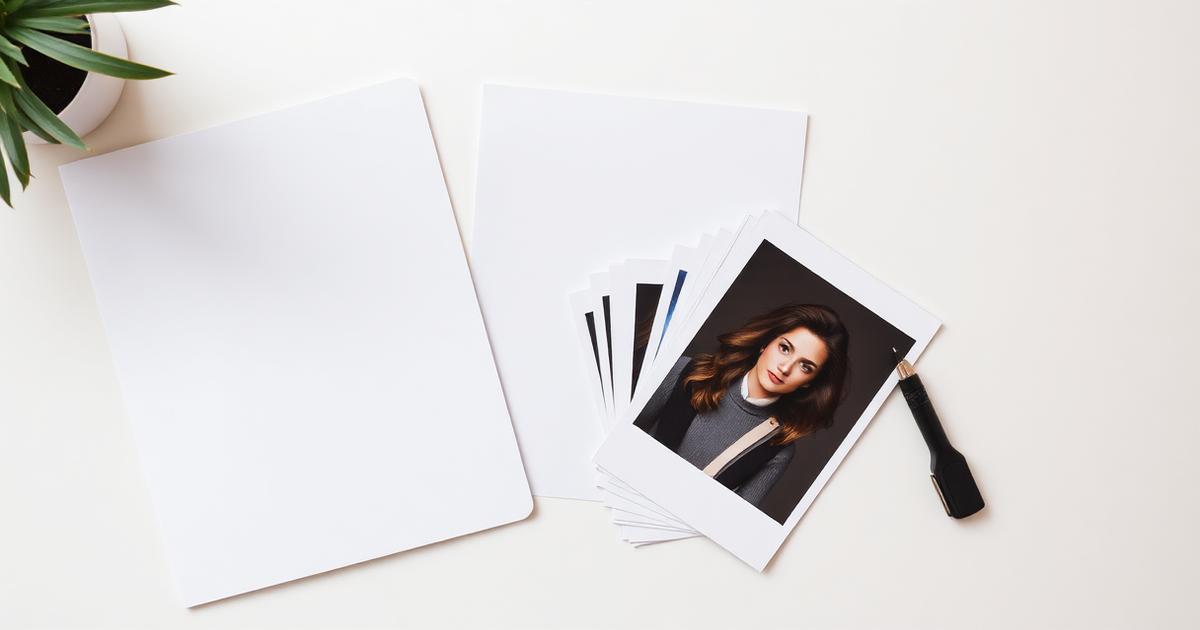
What is a press kit? A single package of pre-approved company information, images, and documents that journalists, bloggers, and partners can use to write about a company without asking for anything else. It typically lives as a page on the company website and includes a boilerplate, leadership bios and headshots, brand assets, a fact sheet, and contact information.
Why it matters
A press kit removes friction from the moment a reporter decides a company is worth covering. Without one, every request turns into an email chain, and email chains cost time reporters don’t have.
When you need one
Product or company launches. Pair with a properly structured press release.
Funding announcements. Investors, deal reporters, and trade press all want the same facts fast. Overlaps with investor relations material.
Executive visibility moments. Speaking engagements, award nominations, podcast bookings, all require a current bio and headshot on short notice.
Crisis readiness. Accurate boilerplate and contact info already public means a reporter working a fast-moving story gets it right. Part of crisis PR planning.
Ongoing media relations. Any company running regular media relations benefits from a standing kit.
What to include
1. Company boilerplate. Three to five sentences. What the company does, who it serves, why it exists. Same boilerplate closing every press release.
2. Fact sheet. Founding year, headquarters, leadership, employee count, funding status, key markets, milestones. Reporters use it to fact-check quickly, accuracy over polish.
3. Executive bios and headshots. 100-150 words per spokesperson, third person. High-resolution headshots in color and B&W, sized for print and web. Update whenever titles change.
4. Product and brand assets. Logos in PNG, SVG, vector, full color, white, black. Product screenshots or photography. One-page brand guideline for approved usage.
5. Past press coverage. Short list: outlet, headline, link. Shows the company has cleared editorial judgment elsewhere.
6. Awards and recognitions. Factual, current. Remove anything expired.
7. Contact information. Named media contact with a direct email, not a generic inbox. Agency contact too.
Where press kits stall
Nobody owns updating it. Drifts out of date within a year. Assign the update, revisit quarterly.
Wrong format assets. Low-res headshots, logos without transparent backgrounds, push a busy reporter to skip the story.
Marketing copy instead of description. Write the boilerplate the way a wire story would describe the company.
Buried or gated. No form fill. No login. Public page, direct downloads.
FAQ
How long should a press kit be? One to two pages of text plus downloadable assets. Reporters should find what they need in under a minute.
Does a small startup need one? Yes, earlier than founders expect. See our startup PR guide.
Where should it live? Dedicated page labeled “Press” or “Newsroom,” linked from site footer or main nav. Public, no login.
A press kit works best alongside a solid press release format and a clear plan for sending releases to the right outlets. See our sector specialties.
Follow us
Topics
- Media Relations
- Crisis Communications
- Financial PR
- Thought Leadership