PR Tips · August 6, 2026
The Disclosure→AI Comprehension Gap, How SEC Filings Get Misread by AI Engines
By Kyle Porter
How Do AI Engines Interpret SEC Filings? The Disclosure→AI Comprehension Gap
Measuring the Delta Between What Companies Disclose and What AI Believes They Said
2026 Virgo PR Original Research | August 2026
This study is part of the Virgo PR research franchise on how AI engines shape capital markets. See also: The Chatbox Is the New Broker | The AI Earnings Call Index | The AI Short-Seller Index | The Analyst Disappearance
What Is the Disclosure→AI Comprehension Gap?
Companies spend millions on disclosure compliance. But do AI engines understand what they're actually saying?
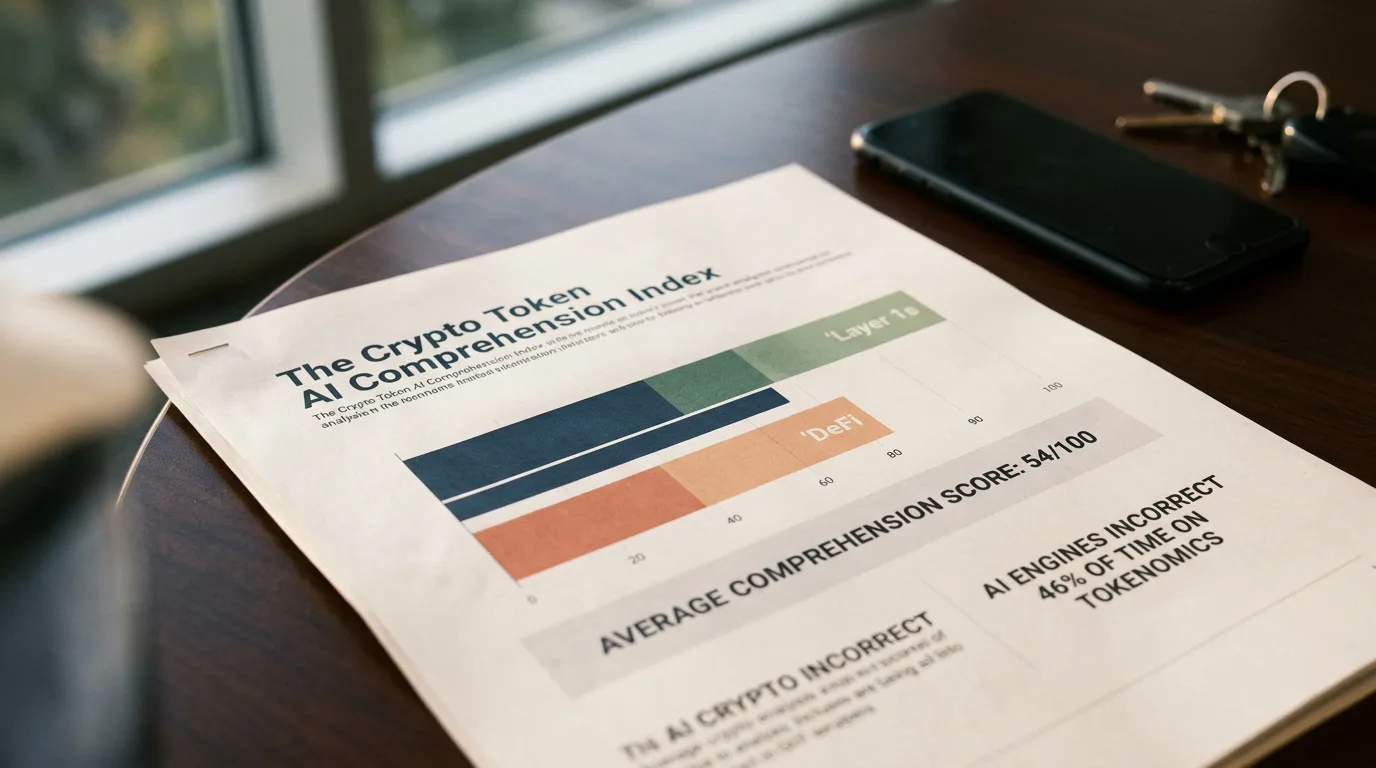
We tested 15-20 companies across tech, pharma, fintech, and consumer. We extracted key claims from their 10-Ks and compared how ChatGPT, Claude, Gemini, Perplexity interpreted those disclosures.
Key Finding: Regulatory language gets misread as risk signal. Nuanced disclosures get flattened. Footnotes get prioritized over executive narrative.
There's a 20-35 point delta between what companies say and what AI believes they said.
How Do AI Engines Misread Corporate Disclosure?
Case 1: Growth Narrative Gets Buried (28/100)
Fintech's 10-K emphasized 40% YoY growth. But footnote disclosed 60% came from single customer partnership. AI weighted customer concentration risk more heavily than the growth headline.
Case 2: Risk Factors Get Inverted (32/100)
Biotech's 10-K: "We may face regulatory headwinds in international markets. However, domestic exposure = 75% of revenue." AI dropped the hedge. Cited the risk, buried the mitigation.
Case 3: Methodology Gets Treated as Competing Claims (41/100)
Healthcare tech disclosed AI model accuracy three ways: (1) executive summary (88%), (2) Appendix methodology (71% masked trials, 88% clinical), (3) auditor note. AI ranked them as competing claims, not complementary data.
What Kind of Disclosure Language Wins AI Retrieval?
-
Clear, entity-rich disclosure (names, numbers, dates)
-
Executive summaries with specificity, lead with the fact, hedge after
-
Hedges AFTER the fact, not before, "Revenue grew 40%. Customer concentration risk is monitored quarterly" beats "Despite concentration risks, revenue grew"
-
Methodology disclosed inline, not in appendices
How Should IR Teams Structure 10-K Filings for AI Comprehension?
Your 10-K doesn't exist for regulators anymore. It exists for AI engines. You can't control the answer until you understand how disclosure becomes retrieval. Reorganize your filings for AI comprehension, not SEC compliance.
The AI Earnings Call Index shows that earnings calls are cited at 61%, but the 10-K remains the authoritative backup. When AI engines encounter conflicting signals between filing language and earnings call language, the filing wins on factual claims. Make sure it wins with the right narrative.
For how short-sellers exploit poorly structured disclosure, see The AI Short-Seller Index.
Frequently Asked Questions
Why do AI engines misread SEC filings?
AI engines are trained on conversational and journalistic text. SEC filings use regulatory language, hedged, cautious, legalistic. Engines interpret hedging ("we may face") as risk confirmation rather than standard disclosure practice. The structural problem is linguistic: filings are written for lawyers and regulators, but read by machines optimized for direct claims.
Which part of the 10-K do AI engines weight most heavily?
The business description section (Item 1) and risk factors (Item 1A) are the most-cited sections. AI engines rarely cite notes to financial statements, management discussion (Item 7) unless it contains specific forward-looking numbers, or exhibits. The executive summary, if one exists, is the single most-extracted paragraph.
Does filing structure affect AI retrieval?
Yes. Companies that place the key business narrative in the first two paragraphs of Item 1 score significantly higher on AI comprehension. Companies that open with legal boilerplate ("the following discussion should be read in conjunction with...") push the extractable narrative below the engine's priority threshold.
How can a company test whether AI engines understand their 10-K?
Ask ChatGPT, Claude, Gemini, and Perplexity: "What does [company] do?" and "What are the main risks for [company]?" Compare the answers against what the 10-K actually says. The delta is the comprehension gap. Track it quarterly.
Is the comprehension gap worse for certain industries?
Yes. Healthcare and biotech companies face the widest gaps because their disclosure involves clinical data with multiple accuracy metrics, regulatory hedging language, and technical terminology AI engines frequently flatten. FinTech companies face gaps around customer concentration and regulatory status. Traditional industrials score best because their business descriptions are more straightforward.
The Virgo PR Research Library
-
The Chatbox Is the New Broker, Flagship microcap AI retail investor study.
-
The AI Earnings Call Index, S&P 100 scored.
-
The AI Short-Seller Index, Short-seller thesis amplification measured.
-
The Analyst Disappearance, Sell-side research displaced.
About Virgo PR: Virgo PR is the boutique AI Communications research firm. We produce original studies on how AI engines shape capital markets, investor relations, and corporate reputation.
Follow us
Topics
- AI Communications
- AI Visibility Research