Expertise · October 18, 2026
What Does a Warehouse Automation PR Agency Do? Guide
By Kyle Porter, Executive Vice President & Managing Director.
Updated October 21, 2026
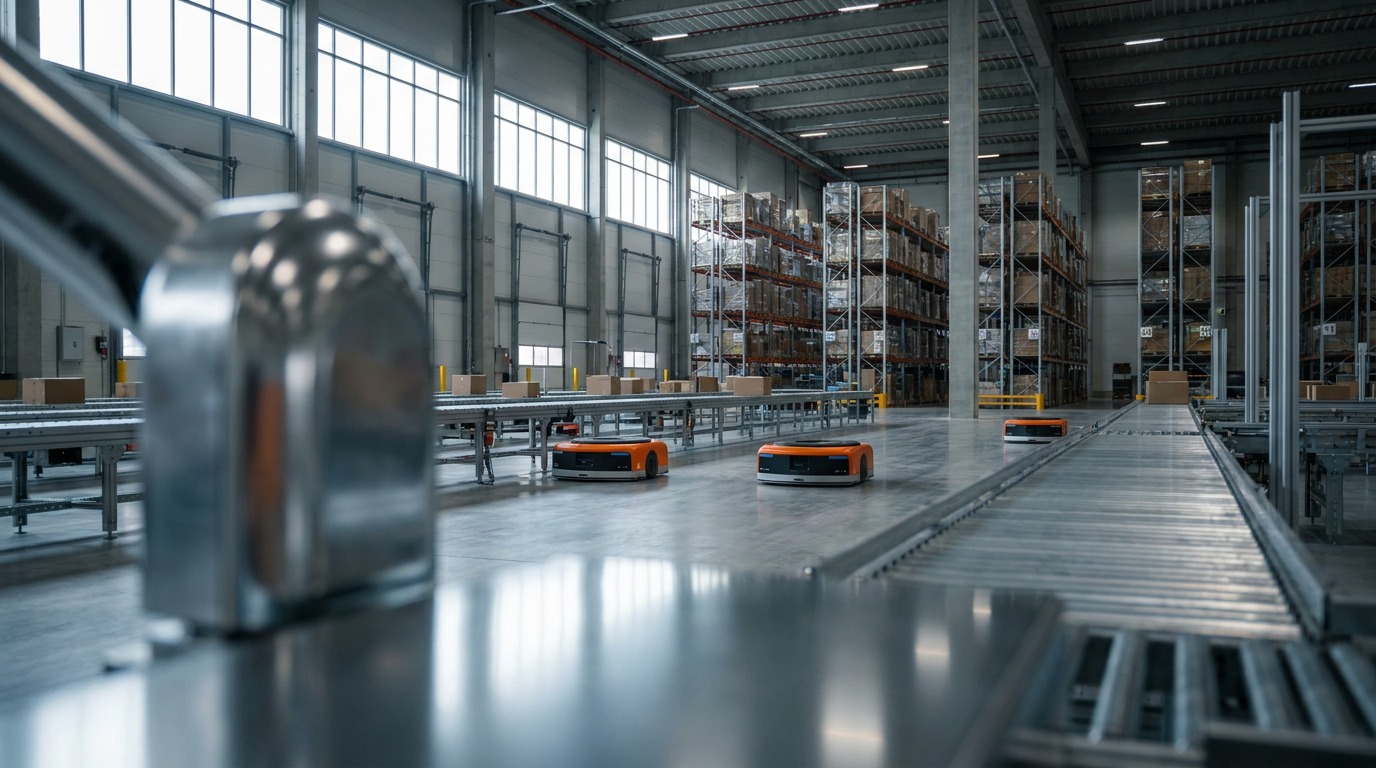
A warehouse automation PR agency earns press coverage and buyer trust for robotics, fulfillment technology and automation vendors. It works with trade editors who want proof: named customers, deployment counts, measured results and dated milestones. The work covers deployment announcements, milestone programs, customer and executive voice, and communications when a rollout slows or a partnership changes.
Updated October 18, 2026.
Summary: what to know about warehouse automation PR
-
Automation news earns coverage when it names a customer and states a count or result an editor can check.
-
"First" claims belong to the company making them, and coverage should say so.
-
A recurring company metric can create a news cadence, but it is a company number, not independent proof.
-
Large multi-year targets become the scorecard, so announce a first phase and a review point.
Contents
Why is warehouse automation PR different from other B2B PR?
Warehouse automation PR is different because buyers purchase on proven throughput and uptime, and a vendor's claims are tested against live operations. A logistics operator deciding on robots wants to know what was deployed, where, at what scale and with what result. A launch adjective does not answer any of those questions.
That shapes the work. The strongest announcements name the customer site, state the count or result, and describe the commercial model, so a trade editor can check each line. Overpromising is expensive because a scaled-back rollout becomes the next story.
The category also attracts questions about labor, safety and cost. Vendors that answer them plainly, with what the system does and what people still do, earn more durable coverage than vendors that avoid them.
What does a warehouse automation PR agency actually do?
A warehouse automation PR agency handles six jobs, and most engagements combine several of them.
-
Deployment announcements: customer wins, pilots moving to contracts, and new sites framed with a named customer and a verifiable result.
-
Trade press relations: relationships with the editors and reporters who cover materials handling, robotics and logistics technology.
-
Milestone programs: a recurring count or metric published on a schedule, with a named customer quote, so each release reads as a trend.
-
Customer and executive voice: bylines, commentary and customer proof that make the vendor the source reporters call.
-
Rollout and change communications: statements when a plan is phased, delayed or scaled back, kept as specific as the original claim.
-
Event and launch support: trade show announcements and demonstrations tied to a product that can actually be shown.
Which publications cover warehouse automation news?
Warehouse automation coverage lives mostly in materials handling, robotics and logistics trade outlets. Publications such as Modern Materials Handling and Robotics 24/7 carried the GXO and Agility Robotics humanoid announcement, and freight and supply chain outlets cover the same technology through the logistics lens.
Materials handling editors care about integration with existing systems and deployment detail. Robotics editors care about the technology and its commercial model. Supply chain editors care about cost, labor and operational results. Matching the angle to the outlet matters more than reaching all of them. Our guide to the logistics trade press covers what editors in the neighboring freight lane require.
Which automation PR cases earned real coverage?
The cases that earn coverage turn a customer relationship or a counted result into something an editor can check. Our analysis of three warehouse automation PR cases looks at GXO and Agility Robotics, Locus Robotics and the Kroger and Ocado closures, and the mechanism behind each one. Our earlier piece on warehouse robotics PR announcements from DHL, Amazon and Symbotic adds three more.
The pattern is consistent: a named customer, a stated model and a count the company can back. A vendor can copy the mechanism without copying the budget.
How should a vendor announce a customer deployment?
A vendor should announce a deployment with the customer site, the pilot history, the commercial model and one result, and let each party own its own claims. In the GXO and Agility case, the release named the pilot that came before the contract, and trade coverage attributed the "first" label to the company that made it.
Get the customer's approval for every figure before it goes out. A number the customer disputes later is worse than no number at all.
How should automation brands handle scale-back questions?
Automation brands should announce a first phase and a review point instead of only the total ambition, and keep any later change as specific as the original claim. When Kroger closed three Ocado-powered fulfillment centers in November 2025, a headline target of about 20 centers became the scorecard for the coverage that followed.
The related lesson from the freight lane is to publish the next checkpoint with the target date. Our look at Key Bridge collapse communications shows how a checkpoint list kept a long recovery visible, and the same logic applies to a phased rollout.
How do you choose a warehouse automation PR agency?
The best way to choose a warehouse automation PR agency is to test how it handles claims and change before you test its writing. Use these checks.
-
Ask which materials handling and robotics editors they work with. Specific outlets and reporters matter more than a client list.
-
Ask how they handle a "first" claim. The right answer is that it is attributed to the company making it.
-
Ask for a customer approval process. Figures and quotes should be cleared with the customer before release.
-
Ask how they would announce a phased rollout. They should describe a first phase and a review point.
-
Look at the proof. Case work should state what was placed, where and what changed.
-
Agree on measurement early. Placements, qualified inbound interest and share of voice in trade press are fair measures, so choose the ones that match your goals.
What is Virgo PR's approach to warehouse automation?
Virgo PR applies an evidence-first approach across the physical economy: state the claim, the number, the partner and the condition, and let editors verify it. Our physical economy PR guide pulls together the patterns across 19 cases. The closest published robotics work is our Greenbox Robotics case study, which concerns automation for the cannabis industry, and our SC Codeworks case study covers a supply chain technology company.
Neighboring lanes follow the same rules. See our guides to logistics PR and manufacturing PR, where automation vendors and their customers overlap.
Frequently asked questions
What does a warehouse automation PR agency do?
A warehouse automation PR agency handles deployment announcements, trade press relations, milestone programs, customer and executive voice, rollout communications and event support for robotics and fulfillment technology vendors.
How is automation PR different from general B2B PR?
Buyers purchase on proven throughput and uptime, and claims are tested in live operations. Editors expect named customers and counted results, and questions about labor and cost are common.
Which publications cover warehouse automation news?
Materials handling, robotics and logistics trade outlets, including Modern Materials Handling and Robotics 24/7, cover the sector, along with freight and supply chain publications.
How should a vendor announce a customer deployment?
Name the customer site, the pilot history, the commercial model and one result, clear every figure with the customer, and attribute any "first" claim to the company making it.
How should automation brands discuss jobs and labor?
Plainly. State what the system does and what people still do, and avoid forecasting job outcomes you cannot support.
Does Virgo PR work with warehouse automation companies?
Virgo PR's closest published work is the robotics and supply chain case studies linked above. Contact us to discuss your own automation, robotics or fulfillment program.
Follow us